

Business lock security in Phoenix involves more than replacing a damaged lock. A complete review considers doors, frames, key control, employee access, daily traffic, and the areas that require additional restrictions. This guide explains how high-security locks, master key systems, and access control can support a safer, more manageable workplace.
The goal is to help business owners and property managers recognize security gaps, prepare for a professional assessment, and choose an appropriate next step without purchasing incompatible hardware or compromising safe building egress.
Business lock security in Phoenix involves more than replacing a damaged lock. A complete review considers doors, frames, key control, employee access, daily traffic, and the areas that require additional restrictions. This guide explains how high-security locks, master key systems, and access control can support a safer, more manageable workplace.
The goal is to help business owners and property managers recognize security gaps, prepare for a professional assessment, and choose an appropriate next step without purchasing incompatible hardware or compromising safe building egress.
What This Business Lock Security Guide Covers
- What does a commercial locksmith do?
- Common commercial security services
- Signs your business needs a lock or access review
- How to choose a commercial locksmith in Phoenix
- Frequently asked questions
What Does a Commercial Locksmith Do?
| Business concern | What should be checked | Possible response |
|---|---|---|
| Unreturned employee keys | Cylinder condition and key hierarchy | Rekeying or selective replacement |
| Too many unrelated keys | Doors, users, and permission groups | Master key planning |
| Access is difficult to manage | Door hardware, power, network, and users | Access control assessment |
| Lock or latch works inconsistently | Door, frame, hinges, strike, and lock | Alignment, repair, or replacement |
A commercial locksmith evaluates, installs, repairs, and organizes locking and access systems used by offices, retail locations, warehouses, and other business properties. The work may involve mechanical locks, door hardware, restricted key access, electronic credentials, or a combination of these systems.
A proper assessment begins with the door and its use. The locksmith should consider the door material, frame condition, opening direction, traffic level, lock type, and the people authorized to enter. A high-traffic storefront does not have the same requirements as a private office, stockroom, or restricted equipment area.
Direct answer: A commercial locksmith helps businesses manage physical access by evaluating doors, repairing or replacing locks, planning key permissions, and installing compatible access hardware. The recommendation should account for daily operations, authorized users, door condition, and safe exit requirements.
Common Commercial Security Services
The most common services address three business concerns: strengthening a physical entry, controlling who holds keys, and managing access without relying exclusively on mechanical keys. Affordable Lock & Key of Phoenix provides dedicated commercial locksmith services for Phoenix businesses.
High-Security Locks
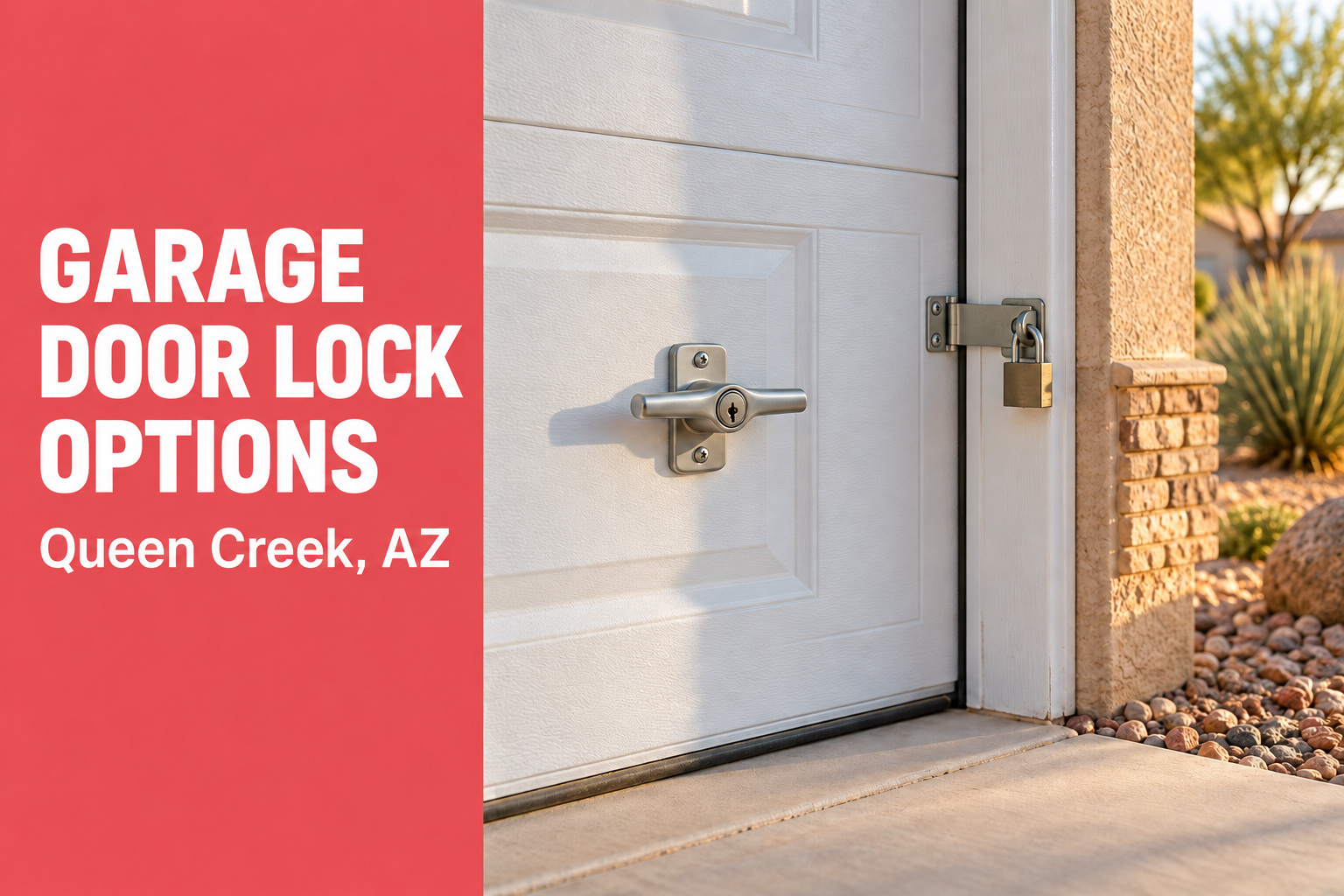
High-security commercial locks can provide stronger key control, durable components, and hardware designed for frequent use. The term does not describe one universal product. Door preparation, frame condition, traffic, user permissions, and the required level of control all affect which hardware is appropriate.
Full replacement may be appropriate when a lock is damaged, worn, compromised, obsolete, or unsuitable for the current use. If the hardware remains functional and compatible, rekeying may change which keys operate it without replacing the full assembly. A professional security lock upgrade assessment should compare both options.
Master Key Systems
A master key system creates defined levels of mechanical access. One employee key may open a single office, a manager key may open a department, and an authorized higher-level key may operate a broader group of doors. The system should begin with a door-and-user matrix rather than unrestricted key duplication.
- List every door included in the proposed system.
- Group users according to the areas they genuinely need.
- Define who may approve and receive each key level.
- Create a process for key issuance, return, and duplication.
- Plan how lost keys and staff changes will be handled.
A well-planned hierarchy can reduce the number of keys carried by employees. However, a higher-level key also creates greater exposure if it is lost or copied without authorization. Key quantities and assignments should be documented.
Access Control
Access control systems use approved credentials such as codes, cards, mobile devices, or other identifiers to manage entry. Depending on the system, administrators may deactivate credentials and review access events. A complete assessment must consider the lock, door, frame, power, connectivity, user management, and emergency procedures.
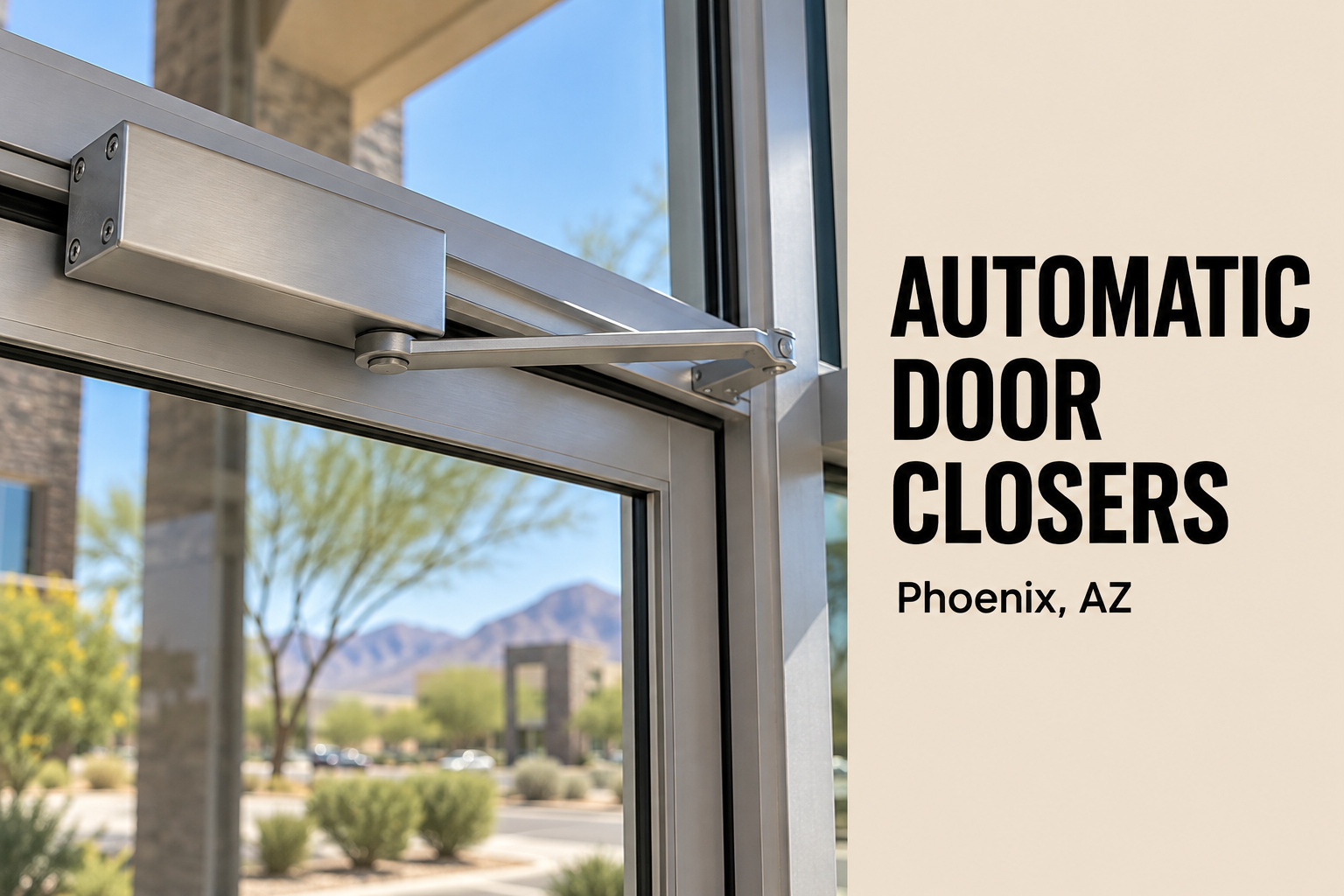
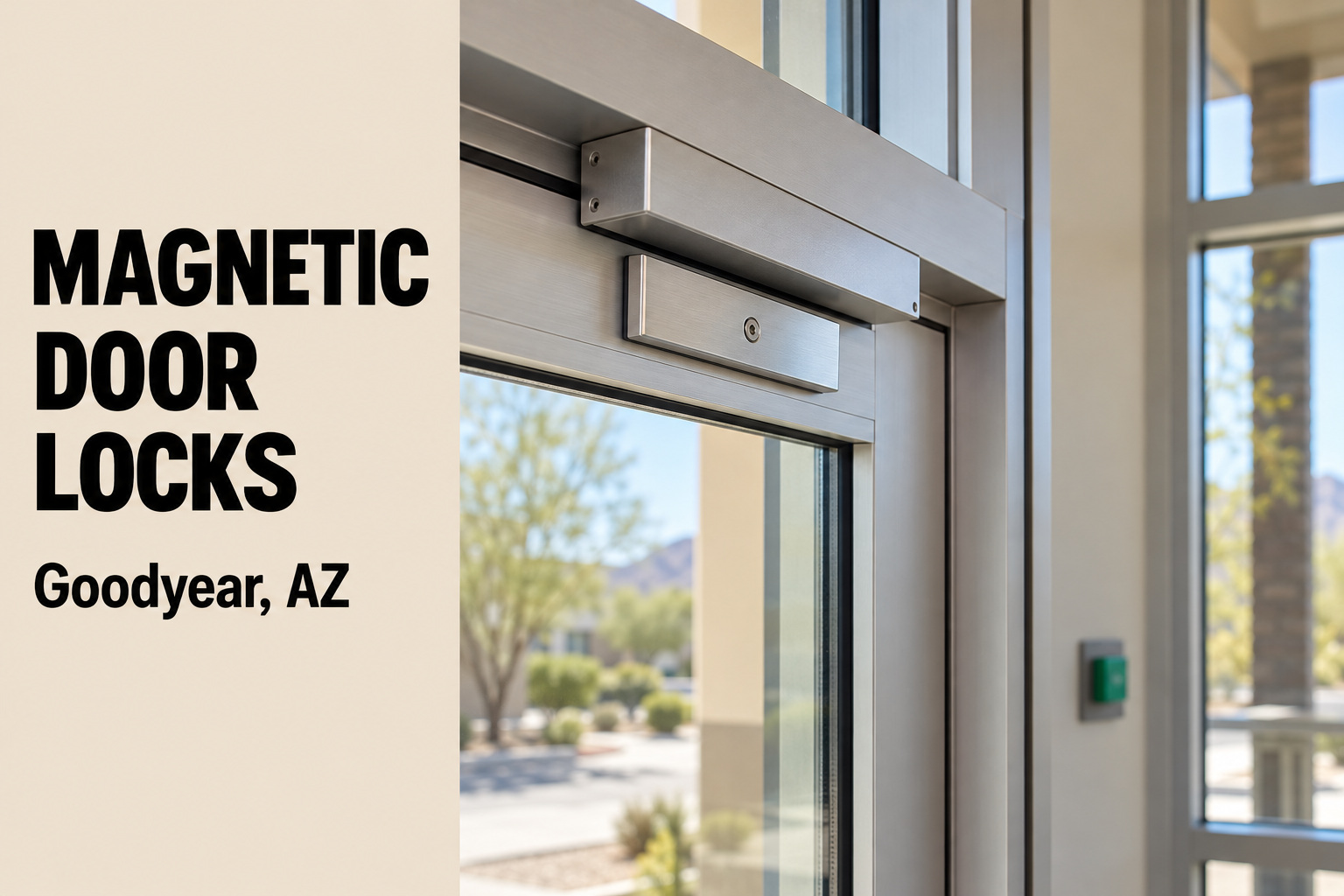
Commercial systems may involve smart locks, intercoms, magnetic locks, or electronic strikes. Businesses considering electronic entry can review our access control installation service as a starting point.
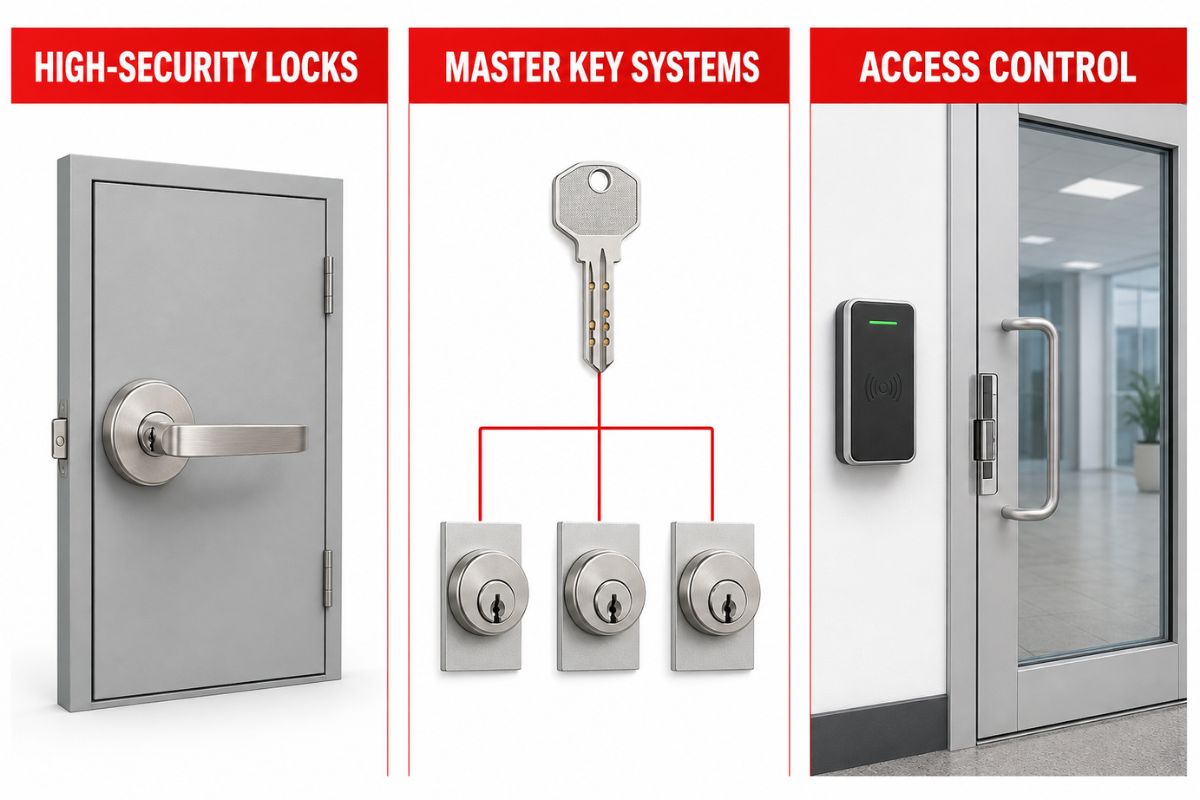
Decision point: High-security locks strengthen physical entry points, master key systems organize mechanical permissions, and access control manages electronic credentials. Many businesses use a combination selected after reviewing the doors, users, and operational requirements.
Signs Your Business Needs a Lock or Access Review
A business should request an assessment when a lock becomes unreliable, key control is unclear, or operations have changed. Waiting until a door no longer secures can turn a manageable hardware issue into a larger interruption.
- A key sticks, turns inconsistently, or requires repeated movement.
- The door must be pushed or lifted before the latch engages.
- The cylinder, lever, or lock body feels loose.
- A key was lost or not returned by a former employee.
- No current record shows who holds each key.
- Employees carry several unrelated keys for routine access.
- The business added offices, storage areas, or restricted rooms.
- Old codes or credentials remain active after staff changes.
- A commercial door does not close or latch consistently.
- Hardware shows impact damage, corrosion, wear, or improvised modifications.
A failing lock is not always the original cause. Misaligned doors, loose hinges, damaged frames, incorrectly positioned strikes, and malfunctioning closers can all affect the latch. Replacing the cylinder without checking the complete opening may leave the underlying problem unresolved.
Information to Prepare Before Requesting Service
- Identify the affected door and business area.
- Describe when the issue began and whether it is intermittent.
- Estimate the number of doors and authorized users involved.
- Gather available information about the current hardware or system.
- Define who is authorized to approve access changes.
- Have business or property authorization available for verification.
Safety boundary: Do not force, drill, or disassemble a commercial lock. Do not independently modify panic hardware, fire-rated openings, magnetic locks, or connected access systems. Incorrect adjustments can affect building security and safe egress.
How to Choose a Commercial Locksmith in Phoenix
The right provider should evaluate how the business uses each opening before recommending hardware. A responsible proposal identifies the problem, separates repair from replacement, and explains which doors, users, and components are included.
Look for a Door-Specific Assessment
A glass storefront door, metal warehouse door, and interior office door can require different hardware and preparation. The evaluation should include the lock, frame, hinges, strike, closer, and access requirements rather than focusing only on the visible cylinder.
Request a Clear Scope of Work
Before authorizing work, ask which hardware, doors, and configuration tasks are included. For access control, the scope should also address credentials, administration, power, connectivity, and basic handoff information for the designated business representative.
Expect Authorization Verification
A commercial locksmith should confirm that the requester is authorized to modify the property’s locks or access permissions. This step is especially important for openings, rekeying, new keys, credential changes, and restricted business areas.
Avoid Absolute Promises
Door condition, frame alignment, hardware compatibility, and electronic integration can change the final scope. A professional assessment should separate confirmed facts from items that require an on-site review rather than promising an exact outcome before inspecting the opening.
Affordable Lock & Key of Phoenix provides mobile locksmith services in Phoenix. Business owners can review our locksmith services, learn more about our company, or view our Google Business Profile.
Frequently Asked Questions
Plan the Next Step for Your Phoenix Business
Effective business lock security in Phoenix connects doors, hardware, keys, credentials, and user permissions. A professional commercial locksmith assessment can help determine whether the appropriate response is repair, rekeying, a security lock upgrade, master key planning, or access control.
Need to review the locks or access points at your Phoenix business?
Call Affordable Lock & Key of Phoenix and describe the affected doors, current hardware, and the access permissions your team needs.
Call (623) 280-1112